Friday, November 22, 2024

Step-by-Step Mini Jet Boat Building Guide for Beginners

Step-by-Step Mini Jet Boat Building Guide for Beginners

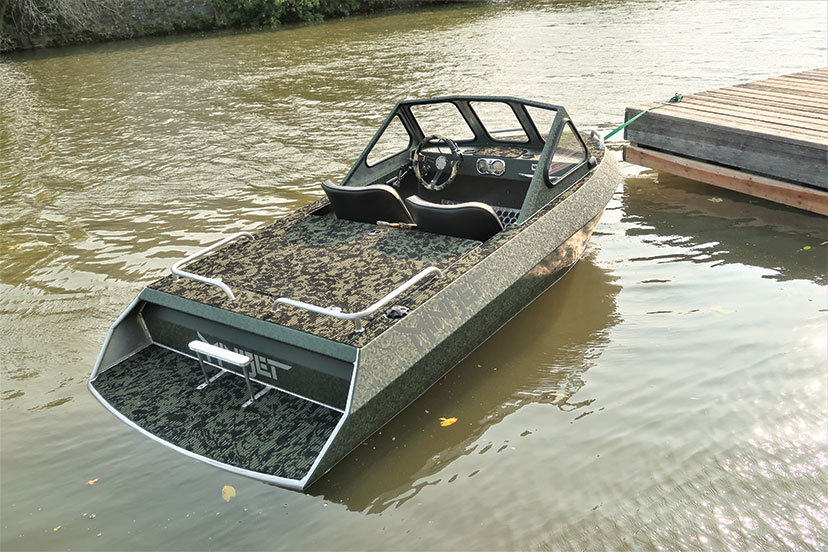
Mini Jet Boat Building Guide for Beginners

Building a mini jet boat can be an exciting and rewarding project for beginners. This guide will take you through the process step-by-step, providing all the information you need to get started and successfully complete your project.

Choosing Your Materials

The first step is to choose the right materials. Here's a breakdown of the essential components:

Hull

You can choose from various materials for your hull:

  • Fiberglass: Strong, durable, and versatile. Requires more work for molding and shaping.
  • Plywood: Relatively inexpensive and easy to work with. Requires careful sealing to prevent water damage.
  • PVC Pipe: Lightweight and easy to shape. Requires additional structural support for strength.

Engine

Choose a small, high-performance gasoline or electric motor suitable for your boat's size and intended use. Consider factors like:

  • Power output: Matches the boat's weight and intended speed.
  • Reliability: Choose a reputable brand with good customer support.
  • Fuel type: Gasoline or electric depending on your preferences and access to power sources.

Jet Drive

A jet drive system is essential for propelling your boat. You can purchase a pre-made jet drive unit or build your own using:

  • Impeller: A rotating blade assembly that draws water and propels the boat forward.
  • Housing: A protective casing for the impeller and other components.
  • Nozzle: A tapered opening that directs the water jet for thrust.

Other Materials

  • Control System: Steering wheel, throttle, and control cables.
  • Batteries: For electric motors, choose batteries with sufficient capacity and discharge rate.
  • Hardware: Bolts, nuts, screws, and other fasteners.
  • Paint and Finishing Materials: Protect the hull and enhance aesthetics.

Hull Construction

The hull construction process varies depending on the chosen material. Here's a general overview:

Fiberglass Hull

  • Mold: Create a mold using wood or other materials to shape the hull.
  • Laying Up Fiberglass: Apply layers of fiberglass cloth and resin to the mold, following the manufacturer's instructions.
  • Finishing: Once cured, remove the hull from the mold, sand, and apply finishing layers.

Plywood Hull

  • Cut and Shape: Cut plywood sheets into the desired hull shape using a jigsaw or table saw.
  • Assembling: Glue and screw the plywood pieces together to create the hull structure.
  • Sealing: Apply a waterproof sealant to all seams and joints.

PVC Pipe Hull

  • Cutting and Shaping: Cut and shape PVC pipes using a saw and a heat gun.
  • Assembling: Join PVC sections using PVC cement or glue.
  • Reinforcing: Add additional structural support with wooden or aluminum frames.

Installing the Engine and Jet Drive

Once the hull is complete, install the engine and jet drive system:

  • Mount the Engine: Secure the engine to the hull using a mounting plate and bolts. Consider the engine's weight distribution and balance.
  • Connect the Drive Shaft: Connect the engine's output shaft to the jet drive's input shaft using a coupling or universal joint.
  • Install the Jet Drive: Mount the jet drive assembly to the hull, ensuring it's properly aligned with the drive shaft.
  • Secure the Jet Nozzle: Attach the nozzle to the jet drive unit, ensuring a watertight seal.

Electrical System

Set up the electrical system for the engine and any other accessories:

  • Battery Connection: Connect the battery terminals to the engine's starter motor and electrical system.
  • Wiring: Run wiring for the engine, jet drive, steering, and other accessories, ensuring proper connections and grounding.
  • Circuit Breaker: Install a circuit breaker for safety and to protect the electrical system.

Control System

Install the control system for steering and throttle control:

  • Steering Wheel: Mount the steering wheel and connect it to the steering cable.
  • Throttle Control: Install the throttle lever and connect it to the engine's throttle cable.
  • Control Panel: Create a control panel to house the steering wheel, throttle lever, and other control buttons.

Finishing and Testing

After completing the construction, finish the boat and test its functionality:

  • Painting and Finishing: Apply paint, sealant, and other finishing materials to the hull and other parts.
  • Testing in a Controlled Environment: Test the engine, jet drive, and control systems in a small pool or tank before launching into a lake or river.
  • Adjustments and Improvements: Make adjustments to the engine, jet drive, or control system based on the initial testing results.

Safety Precautions

Remember to prioritize safety throughout the building process and during operation:

  • Always wear safety goggles, gloves, and appropriate clothing when working with tools and chemicals.
  • Follow the manufacturer's instructions carefully for all materials and components.
  • Inspect the boat thoroughly before each use, checking for any damage or leaks.
  • Always wear a life jacket when operating the boat.
  • Operate the boat in calm waters and at a safe distance from other vessels.

Conclusion

Building a mini jet boat is a rewarding project that allows you to learn about boat design, construction, and engineering. With careful planning, meticulous execution, and adherence to safety precautions, you can successfully build your own mini jet boat and enjoy its thrilling performance on the water.

Wooden Dinghy Plans for Small and Compact Designs

Wooden Dinghy Plans for Small and Compact Designs

Wooden Dinghy Plans for Small and Compact Designs

Wooden dinghies, with their timeless charm and inherent elegance, continue to captivate boat enthusiasts. Whether for leisurely paddling, fishing expeditions, or simply enjoying the serenity of the water, these craft offer a unique experience. In this comprehensive guide, we delve into the world of wooden dinghy plans, exploring small and compact designs that are both practical and aesthetically pleasing.

The Allure of Small Wooden Dinghies

Small wooden dinghies possess an undeniable appeal. Their compact size makes them easy to transport, store, and launch, while their lightweight construction allows for effortless handling. This versatility makes them ideal for a wide range of activities, from exploring secluded coves to navigating tight channels.

Advantages of Wooden Dinghies

Beyond their aesthetic appeal, wooden dinghies offer numerous advantages:

  • Durability: Properly constructed wooden dinghies can withstand the rigors of time and use, offering a long lifespan.
  • Natural Beauty: The warm, natural tones of wood add a touch of rustic elegance to any waterfront.
  • Environmentally Friendly: Wood is a renewable resource, making it a sustainable choice for boatbuilding.
  • Unique Character: Each wooden dinghy is handcrafted, resulting in a unique and individual work of art.

Choosing the Right Wooden Dinghy Plan

Selecting the perfect wooden dinghy plan for your needs is crucial. Consider the following factors:

Size and Capacity

The size of your dinghy will determine its carrying capacity and stability. For solo paddling or fishing trips, a small dinghy with a length of 8 to 10 feet will suffice. For larger groups or heavier loads, a dinghy of 12 to 14 feet might be more appropriate.

Design and Style

Wooden dinghy plans are available in a variety of styles, ranging from traditional clinker-built designs to modern, streamlined hulls. Consider your desired aesthetics and performance characteristics when making your selection.

Construction Method

Wooden dinghy plans typically specify the construction method, which can include traditional techniques like plank-on-frame or more modern methods like stitch-and-glue. Choose a construction method that aligns with your skill level and available resources.

Popular Small Wooden Dinghy Plans

Several excellent wooden dinghy plans are readily available for those seeking compact designs. Here are some noteworthy options:

The "Wee Lassie" Dinghy

Designed by Iain Oughtred, the "Wee Lassie" is a classic 8-foot dinghy renowned for its simplicity and ease of construction. This plan is ideal for beginners and offers exceptional stability for solo outings.

The "Little Gem" Dinghy

Another Oughtred creation, the "Little Gem" is a versatile 10-foot dinghy suitable for a variety of uses. Its shallow draft makes it perfect for exploring shallow waters, while its generous beam provides stability for fishing or carrying small loads.

The "Sharpie" Dinghy

Sharpie dinghies are known for their distinctive flat-bottom design, offering exceptional stability in shallow waters. Plans for sharpie dinghies are available in various sizes, making them a popular choice for both recreational and utility purposes.

Building Your Own Wooden Dinghy

Building a wooden dinghy from plans is a rewarding and fulfilling experience. The process requires patience, precision, and a keen eye for detail. Here's a step-by-step guide:

1. Gather Materials and Tools

Before starting, ensure you have the necessary materials, including wood, marine plywood, epoxy resin, fiberglass cloth, and fasteners. Acquire the appropriate hand and power tools, such as saws, planes, drills, sanders, and clamps.

2. Study the Plans Carefully

Thoroughly review the plans, familiarizing yourself with each step and the dimensions involved. It's helpful to create a detailed cutting list and assembly plan.

3. Cut and Shape the Wood

Precisely cut and shape the wood components according to the plan specifications. Pay close attention to angles and curves.

4. Assemble the Frame and Hull

Carefully assemble the frame and hull, using strong epoxy adhesive and marine-grade fasteners. Ensure the joints are secure and properly aligned.

5. Apply Epoxy and Fiberglass

Apply epoxy resin and fiberglass cloth to the hull, creating a watertight and durable shell. This process requires careful application and curing times.

6. Finish and Detailing

Once the epoxy has cured, sand the hull smooth and apply a sealant or paint for protection. Add any necessary hardware, such as oars, rowlocks, and seats.

Conclusion

Building a wooden dinghy from plans is a journey of craftsmanship and creativity. Whether you choose a traditional clinker-built design or a modern, streamlined hull, the experience of creating a beautiful and functional vessel is unparalleled. With careful planning, meticulous construction, and a passion for wooden boats, you can build a small dinghy that will bring you years of enjoyment on the water.

Step-by-Step Wooden Kayak Plans for Building a Sea Kayak

Step-by-Step Wooden Kayak Plans for Building a Sea Kayak

Step-by-Step Wooden Kayak Plans for Building a Sea Kayak

Embark on a rewarding and fulfilling journey by crafting your own wooden sea kayak. This comprehensive guide will provide detailed plans and step-by-step instructions to help you bring your maritime dreams to life. From selecting materials to finishing touches, this comprehensive guide will equip you with the knowledge and confidence to build a beautiful and functional sea kayak.

Choosing the Right Plans

Before you begin, carefully choose the right kayak plans. Consider factors such as your skill level, desired kayak length, width, and intended use. Several reputable sources offer plans, including:

  • Online Retailers: Numerous online stores specialize in wooden boat plans.
  • Bookstores: Look for books dedicated to kayak building.
  • Boatbuilding Associations: Associations often offer plans and resources for boat builders.

Once you've selected your plans, thoroughly review them to ensure you understand all the steps and required materials.

Gathering Materials

The following materials are typically required for building a wooden sea kayak:

Wood

  • Strips: Typically cedar or spruce, these form the kayak's hull.
  • Stems and Keels: These provide structural support and shape.
  • Bulkheads: Used to divide the kayak into compartments, enhancing buoyancy and safety.
  • Deck Beams: Support the deck and provide rigidity.
  • Coaming: Frames the cockpit opening.

Other Materials

  • Epoxy Resin and Hardener: Used to bond the wood and provide watertightness.
  • Fiberglass Cloth: Reinforces the hull and adds strength.
  • Wood Filler: Fills gaps and imperfections in the wood.
  • Paint or Varnish: Provides a protective finish.
  • Hardware: Includes hatches, deck fittings, seat, and footrests.
  • Tools: Essential tools include saws, planes, chisels, clamps, sanding tools, and a drill.

Building the Hull

The hull construction is a crucial step, requiring precision and patience. Follow these steps carefully:

1. Building the Molds

Construct the molds (positive and negative forms) to shape the kayak's hull. Molds can be built from plywood, using the plans as a guide. Ensure they are perfectly smooth and accurate.

2. Laying the Strips

Start at the stem and lay the wood strips onto the molds, using epoxy resin and hardener to bond them. The strips should be carefully fitted and clamped to ensure a smooth, even surface.

3. Building the Bulkheads

Construct the bulkheads according to the plans. Attach them securely to the hull using epoxy and fiberglass cloth. Ensure the bulkheads are positioned correctly and properly sealed.

4. Finishing the Hull

Once the hull is fully laminated, sand it smooth and fair any imperfections. Apply a layer of epoxy resin and fiberglass cloth to the hull's exterior for added strength and watertightness.

Building the Deck and Cockpit

After completing the hull, focus on building the deck and cockpit:

1. Constructing the Deck Beams

Cut the deck beams according to the plans and secure them to the hull using epoxy and fiberglass cloth. The beams provide support for the deck and create the kayak's shape.

2. Attaching the Deck Sheets

Lay the deck sheets onto the beams, using epoxy and fiberglass cloth to bond them together. Carefully fit and secure the deck sheets, ensuring a smooth and watertight surface.

3. Framing the Cockpit

Construct the coaming, which frames the cockpit opening. Fit the coaming to the deck, making sure it provides a secure and comfortable entry and exit point.

4. Installing the Seat and Footrests

Install the seat and footrests, carefully positioning them for optimal comfort and paddling efficiency. Choose a seat that is supportive and comfortable for extended paddling sessions.

Finishing and Refinement

The final stage involves adding finishing touches and refining the kayak for optimal performance:

1. Applying Paint or Varnish

Apply a protective layer of paint or varnish to the exterior of the kayak. Choose a marine-grade finish that will withstand the elements and protect the wood.

2. Installing Hardware

Install the remaining hardware, including hatches, deck fittings, and any other accessories. Ensure all hardware is securely mounted and functional.

3. Final Refinement

After the paint or varnish has dried, perform a final sanding and smoothing of the kayak. Check for any imperfections and make any necessary adjustments to ensure a smooth and sleek finish.

Launching and Enjoying Your Creation

With your wooden sea kayak complete, it's time to launch it and experience the thrill of paddling your handmade masterpiece. Carefully transport it to your launch location, and enjoy the satisfaction of creating your own vessel for adventure. Remember to always practice safe paddling techniques and wear appropriate safety gear.

Building a wooden sea kayak is a challenging but rewarding endeavor. With meticulous planning, careful craftsmanship, and a passion for the art of boat building, you can create a beautiful and functional kayak that will provide countless hours of enjoyment on the water.

Building a Skiff from Scratch: Best Free Plans for DIYers

Building a Skiff from Scratch: Best Free Plans for DIYers

Building a Skiff from Scratch: Best Free Plans for DIYers

Embarking on the journey of building a skiff from scratch can be a rewarding experience for the DIY enthusiast. Skiffs, known for their simplicity and versatility, are perfect for fishing, exploring shallow waters, or even leisurely cruising. The availability of free plans allows you to bring your dream boat to life without breaking the bank. This article will guide you through the process of finding the best free skiff plans and delve into the essential steps involved in construction.

The Allure of Skiffs

Skiffs have captivated boat builders for generations due to their inherent advantages:

  • Simplicity of Design: Their straightforward construction makes them accessible to beginners.
  • Versatility: Skiffs excel in various water conditions and can be customized for different uses.
  • Durability: Built with robust materials, they are known for their long lifespan.
  • Affordability: The use of readily available materials and free plans makes skiff building budget-friendly.

Finding Free Skiff Plans

The internet offers a wealth of free skiff plans, catering to various sizes and styles. Here are some trusted resources:

Boatbuilding Forums and Communities

Online boatbuilding forums are treasure troves of information, including free plans shared by experienced builders. Popular forums include:

  • The WoodenBoat Forum: Renowned for its vast knowledge base and helpful members.
  • The Boat Design Net: A comprehensive platform for boat design and building.
  • The Pond Yacht Club: A community dedicated to building small boats.

Free Plan Websites

Websites dedicated to providing free boat plans are a valuable starting point for your search:

  • Boat Plans Free: Features a collection of free plans for various boat types, including skiffs.
  • The Free Boat Plans: Offers a selection of free plans for skiffs and other small craft.
  • Amateur Boat Building: Provides free plans and resources for amateur boat builders.

Authoritative Books and Publications

Several books and magazines offer free skiff plans as a bonus or as part of their content. Consider:

  • "The Complete Book of Boatbuilding" by Richard Wood: A comprehensive guide with free plans for various boat designs.
  • "WoodenBoat" magazine: Frequently features free plans and building articles in their issues.

Key Considerations for Choosing a Plan

Before diving into construction, carefully evaluate your needs and desired skiff characteristics:

Boat Size and Capacity

Determine the length, beam, and draft that align with your intended use. Consider the number of passengers and cargo you need to accommodate.

Hull Shape and Construction

Choose a hull shape that suits your desired performance. Options include flat-bottom, V-bottom, and modified V-bottom designs. Decide on the construction materials (wood, plywood, aluminum, or fiberglass) based on your skill level and budget.

Power System

Decide on the type of motor you want to use. Consider outboard, inboard, or electric propulsion, taking into account your desired speed and range.

Construction Experience

Select a plan that aligns with your boatbuilding experience. Beginners may opt for simpler designs, while experienced builders can tackle more complex projects.

Steps for Building a Skiff from Scratch

Building a skiff is a rewarding process that requires careful planning and attention to detail:

Gathering Materials and Tools

Acquire the necessary materials (wood, plywood, fasteners, epoxy, paint) and tools (saw, drill, sander, clamps, router) based on your chosen plan.

Laying Out the Frames and Hull

Start by laying out the frames and hull panels on the building jig or floor. Accurately measure and cut the materials to the specified dimensions.

Building the Frames and Hull

Assemble the frames using strong joints and secure them to the hull panels. Ensure the frame alignment and hull shape conform to the plan.

Adding Deck and Transom

Construct the deck and transom, incorporating any desired features like seats, storage compartments, or a steering console.

Finishing and Painting

Once the basic hull is built, sand the surfaces smooth and apply multiple layers of primer and paint to protect the wood and enhance aesthetics.

Installing the Motor and Accessories

Mount the chosen motor on the transom and install any necessary accessories like steering system, navigation lights, and fuel tank.

Launching and Testing

After completing the build, launch the skiff and test it thoroughly to ensure it performs as intended. Make any necessary adjustments based on the sea trial.

Safety Precautions and Regulations

Always prioritize safety during the building and launching process:

  • Wear appropriate safety gear: Eye protection, gloves, and hearing protection.
  • Work in a well-ventilated area: Minimize exposure to fumes and dust.
  • Follow fire safety guidelines: Keep a fire extinguisher nearby.
  • Comply with local boating regulations: Obtain any required permits or certifications.

Conclusion

Building a skiff from scratch using free plans is an achievable and fulfilling endeavor. By carefully choosing a plan, gathering the necessary materials and tools, and following the steps outlined in this article, you can create a unique and durable boat that serves your recreational needs. Remember to prioritize safety throughout the process and enjoy the satisfaction of bringing your dream boat to life.

How to Build a Plywood Boat for Coastal and River Use

How to Build a Plywood Boat for Coastal and River Use

Building Your Own Plywood Boat: A Guide for Coastal and River Adventures

Hey there, fellow water enthusiast! Ever dreamt of cruising the coast or gliding down a river in a boat you built yourself? Well, you're in the right place! This guide will walk you through the process of constructing a beautiful and functional plywood boat, perfect for your adventures on the water. We'll cover everything from choosing the right materials to finishing touches, so buckle up and get ready to unleash your inner boat builder!

Choosing Your Plywood Boat Design

The first step is choosing the perfect design for your boat. There are countless options available, from simple dinghies to sleek kayaks, each with its unique characteristics and capabilities. Here are a few questions to consider:

What Will You Be Using the Boat For?

Are you looking for a fishing boat, a recreational kayak, a tender for a larger vessel, or something else entirely? The purpose of your boat will greatly influence the design you choose.

Where Will You Be Using It?

Consider the waters you'll be navigating. A boat designed for calm rivers might not be suitable for choppy coastal waters. Factors like water depth, currents, and potential obstacles will play a role in your decision.

What's Your Skill Level?

Don't be afraid to start simple! If you're new to boat building, a beginner-friendly design with straightforward plans will be a great starting point. As you gain experience, you can tackle more challenging projects.

Here are a few popular plywood boat designs to get you started:

  • Dinghies: Small, lightweight boats, perfect for rowing, sailing, or using as tenders.
  • Kayaks: Versatile craft for paddling on lakes, rivers, and even coastal waters.
  • Rowboats: Classic, elegant boats, ideal for leisurely rowing on calm waters.
  • Small Sailboats: Offer the joy of sailing, even for smaller bodies of water.

Once you have a design in mind, it's time to source your materials.

Gathering the Essential Materials

Building a plywood boat requires careful selection of materials to ensure durability and longevity.

Plywood:

The heart of your boat! Marine-grade plywood is essential. It's specially treated to resist moisture and decay, making it perfect for boat construction. Look for plywood with a high-quality veneer and a waterproof glue.

Lumber:

You'll need some solid lumber for structural components like frames and stringers. Choose treated lumber for added moisture resistance.

Epoxy Resin and Hardener:

Epoxy is essential for bonding plywood panels, creating a strong, waterproof seal.

Fiberglass Cloth:

Fiberglass cloth, when combined with epoxy, creates a tough, durable skin for your boat.

Hardware:

This includes items like screws, bolts, hinges, cleats, oarlocks, and any other hardware required for your boat's design.

Paint or Varnish:

To protect your boat from the elements, choose a marine-grade paint or varnish that provides a durable finish.

Tools:

You'll need basic woodworking tools like saws, drills, sanders, clamps, and measuring tools.

Building Your Plywood Boat: Step by Step

Now, let's get our hands dirty and start building!

1. Study the Plans:

Thoroughly read and understand your boat plans. They will provide detailed instructions, dimensions, and diagrams.

2. Cut the Plywood Panels:

Carefully cut the plywood panels to the exact dimensions specified in the plans. Use a sharp saw or a circular saw with a good blade.

3. Assemble the Frames:

Construct the boat's framework using the lumber. This will provide the boat's structure and shape.

4. Attach Plywood to the Frames:

Start attaching the plywood panels to the frames. Use epoxy resin and screws or bolts to secure them.

5. Epoxy and Fiberglass the Hull:

After the plywood is attached, apply a layer of epoxy resin to the entire hull. Then, lay fiberglass cloth over the resin and apply another layer of epoxy. This process creates a tough, watertight shell.

6. Sand and Fair the Hull:

Once the fiberglass is cured, sand the hull smooth to remove any imperfections. This process is called "fairing" and ensures a smooth, aerodynamic shape.

7. Paint or Varnish:

Apply a coat of marine-grade paint or varnish to protect the hull from the elements. You can add decorative touches and personalize your boat.

8. Install Hardware and Fittings:

Install any necessary hardware, such as seats, oarlocks, cleats, and other fittings. Make sure everything is securely attached.

9. Test and Launch:

Before launching, perform a thorough inspection to ensure everything is properly assembled and secure. Then, get ready for your first adventure on the water!

Essential Tips and Techniques

Here are a few handy tips to make your boat building journey smoother:

  • Work in a Well-Ventilated Area: Epoxy and fiberglass produce fumes, so ensure proper ventilation.
  • Use Clamps and Support Structures: Securely clamp plywood panels and frames during assembly.
  • Follow the Plans Carefully: Accurate measurements and precise cuts are crucial.
  • Invest in Quality Tools: Using quality tools will make the process easier and produce a better result.
  • Be Patient: Boat building takes time and attention to detail.

Commonly Asked Questions

Q: What if I make a mistake?

Don't worry, mistakes happen! You can always repair or adjust parts as needed. Use epoxy resin and fiberglass to patch any gaps or areas that need reinforcement.

Q: Can I build a boat without previous experience?

Absolutely! Start with a beginner-friendly design and take your time. There are plenty of resources available to help you along the way.

Q: How long does it take to build a plywood boat?

Building time depends on the boat's size and complexity. A simple dinghy can be built in a few weeks, while a larger sailboat might take months.

Q: What's the best way to learn boat building?

There are many great ways to learn! Consider taking a boat building course, reading books and online tutorials, or joining a boating club or forum.

Building your own plywood boat is a rewarding experience that allows you to connect with the water in a unique way. It's a journey of learning, creativity, and craftsmanship that will result in a boat you can be proud of. So, gather your tools, grab your plans, and get ready to embark on your own boat-building adventure!

Dinghy Plans for Practical, Easy-to-Handle Boats

Dinghy Plans for Practical, Easy-to-Handle Boats

Dinghy Plans for Practical, Easy-to-Handle Boats

The allure of a dinghy, a small, nimble boat designed for rowing, sailing, or motor propulsion, lies in its versatility and ease of handling. Whether you're exploring calm waters, navigating a crowded marina, or simply enjoying a leisurely paddle, a well-designed dinghy can be your trusted companion.

This article delves into the world of dinghy plans, exploring the essential considerations for choosing the right design and offering insights into the practical aspects of building your own boat. We'll cover various dinghy types, materials, construction techniques, and the joys of crafting a vessel that perfectly suits your needs and preferences.

Types of Dinghies: A Diverse Spectrum

The dinghy family encompasses a wide array of designs, each with its unique characteristics and intended use. Understanding the different types will help you select the plan that best aligns with your vision.

Rowing Dinghies

Rowing dinghies are often favored for their simplicity, quiet operation, and the pure joy of propelling yourself through the water with your own strength. These boats typically feature a shallow draft, making them suitable for navigating shallow waters and exploring secluded inlets. Their sleek, narrow hulls offer minimal resistance, ensuring efficient rowing.

Sailing Dinghies

Sailing dinghies are designed to harness the power of the wind, offering a thrilling and eco-friendly way to explore the water. These boats boast a variety of sail configurations, from single sails for simple maneuvering to multiple sails for high-performance racing. Their hulls are often wider than rowing dinghies, providing stability and allowing for more sail area.

Motor Dinghies

Motor dinghies are designed to be propelled by small outboard motors, offering convenience and speed for traversing larger distances. These boats often feature a deep V-hull for smooth handling in choppy waters and a spacious deck for carrying gear. Their versatility makes them ideal for a variety of activities, from fishing to transporting supplies.

Inflatable Dinghies

Inflatable dinghies offer unparalleled portability and storage convenience. These boats are constructed from durable PVC or Hypalon fabric and deflate to a compact size, making them perfect for travel and storage. Their lightweight nature makes them easy to carry, and their versatility allows for use in various situations, from recreational paddling to fishing and even tendering larger vessels.

Selecting Dinghy Plans: Key Considerations

Choosing the right dinghy plans requires careful consideration of your intended use, skill level, and available resources. Here are some crucial factors to weigh:

Length and Beam

The length and beam (width) of a dinghy determine its stability, speed, and carrying capacity. Longer and wider dinghies are more stable but may be slower, while shorter and narrower dinghies are more maneuverable but may be less stable in rough waters. The optimal size depends on the intended use and the number of passengers.

Material

Dinghies are typically constructed from wood, fiberglass, or aluminum. Wood offers a classic aesthetic and is often used for traditional designs. Fiberglass provides strength, durability, and ease of maintenance. Aluminum is lightweight and corrosion-resistant, making it ideal for dinghies used in saltwater environments.

Construction Techniques

Dinghy plans can involve a range of construction techniques, from traditional planking to modern stitch-and-glue methods. Traditional planking involves attaching wooden planks to a frame using ribs and battens, while stitch-and-glue uses thin plywood panels joined with epoxy and stitched together before bonding permanently. The chosen technique will impact the complexity and time required for construction.

Skill Level

The difficulty of building a dinghy from plans varies depending on the design and construction technique. Simple designs utilizing plywood or stitch-and-glue methods are suitable for beginners, while more complex designs involving traditional planking may be better suited for experienced boatbuilders. It's important to choose plans that match your skill level and comfort zone.

Benefits of Building Your Own Dinghy

Building a dinghy from plans offers numerous advantages, including:

  • Customization: You have complete control over the design, materials, and features, ensuring the boat perfectly meets your needs and preferences.
  • Cost Savings: Building a dinghy from plans can be significantly less expensive than purchasing a pre-built boat, especially when considering labor costs.
  • Sense of Accomplishment: Crafting your own boat from scratch is a rewarding experience, providing a tangible expression of your skills and creativity.
  • Learning Experience: Building a dinghy offers invaluable hands-on experience in boat construction, carpentry, and woodworking.
  • Connection to the Craft: Building a dinghy allows you to connect with a centuries-old tradition of boatbuilding, appreciating the artistry and craftsmanship involved.

Finding Dinghy Plans: A Wealth of Resources

A plethora of resources are available for finding dinghy plans, catering to various skill levels and preferences. Here are some common avenues:

Online Resources

Numerous websites offer free or paid dinghy plans, often accompanied by detailed instructions and diagrams. Some popular platforms include:

  • Boat Plans USA: This website offers a wide range of dinghy plans, including free designs.
  • Glen-L Marine Designs: Known for their comprehensive plans and excellent customer service, Glen-L offers both free and paid dinghy designs.
  • The WoodenBoat Magazine: The WoodenBoat website features an extensive library of articles and plans, including several dinghy designs.

Boatbuilding Books

Many books delve into the art of boatbuilding, providing detailed information on design, construction, and specific dinghy plans. Some reputable publications include:

  • "The Complete Book of Wooden Boats" by Charles H. Davis
  • "The Amateur Boatbuilder's Handbook" by John Harris
  • "Building Small Boats" by Ted Hood

Boatbuilding Classes

Taking boatbuilding classes can provide invaluable hands-on experience and guidance from experienced instructors. Local community colleges, woodworking schools, and boatbuilding clubs often offer workshops and courses.

Conclusion: Embark on Your Dinghy Building Journey

Building your own dinghy from plans is a rewarding and enriching endeavor. With careful planning, a passion for craftsmanship, and the right resources, you can embark on a journey that culminates in a beautiful and practical boat that serves as a testament to your skills and dedication.

From exploring secluded coves to enjoying leisurely paddles, your homemade dinghy will become a cherished companion, offering countless memories and adventures on the water. So, gather your tools, select your plans, and embark on your own dinghy building adventure.

Easy-to-Follow Wooden Boat Plans for Beginners

Easy-to-Follow Wooden Boat Plans for Beginners

Building Your First Wooden Boat: A Beginner's Guide

Alright, so you've got this dream of building your own wooden boat, but you're feeling a little intimidated. Don't worry, friend, we've all been there. Building a boat from scratch can seem like a daunting task, but it's actually more achievable than you might think, especially if you're a beginner.

The key is to start with a simple design and take things one step at a time. There are some fantastic beginner-friendly plans available that break down the process into manageable chunks. And with a little patience and perseverance, you'll be gliding across the water in no time!

Choosing the Right Plans for You

The first step is to find the perfect set of plans. Look for plans that specifically cater to beginners. These plans should have detailed instructions, illustrations, and even videos to guide you through each stage.

Some popular beginner boat plans include:

  • Rowboats: Classic and relatively simple to build.
  • Small Sailboats: A bit more challenging, but they offer the thrill of sailing.
  • Kayaks: A great option for solo paddling and exploring waterways.

When choosing your plans, consider:

  • Size: How much space do you have to build the boat?
  • Complexity: Start with a simpler design and gradually work your way up to more complex boats.
  • Material: Most beginner plans use cedar or mahogany, which are relatively easy to work with.

Gathering Your Tools and Materials

Once you've chosen your plans, it's time to gather your tools and materials. The specific tools will vary depending on the plan, but here are some essential items for most boat building projects:

  • Hand Tools: Hammer, screwdriver, saw, plane, chisels, clamps, measuring tape, and a level.
  • Power Tools: Jigsaw, drill, sander, and possibly a router.
  • Wood: Cedar, mahogany, or other suitable boatbuilding wood.
  • Fasteners: Screws, nails, and epoxy.
  • Fiberglass and Resin: For adding strength and waterproofing.
  • Paint or varnish: To protect your boat from the elements.

It's always a good idea to have extra materials on hand, just in case. You can also find pre-cut wood kits for some boat plans, which can save you a lot of time and hassle.

Step-by-Step Construction Process

Now, let's get into the actual building process. This is where your chosen plans will be your best friend. They'll provide a detailed guide, but here's a general overview of the steps involved:

1. Framing and Planking

This is the foundation of your boat. You'll use the plans to cut and assemble the framing members, such as the keel, ribs, and stringers. Then, you'll attach the planking, which forms the hull of the boat. This is where you'll need to pay close attention to the instructions to ensure your planking is properly aligned and fitted.

2. Fairing and Finishing

Once you've completed the planking, you'll need to smooth out the hull to create a fair, flowing shape. This is done with a plane, sandpaper, and other tools. After fairing, you'll need to apply fiberglass and resin to reinforce the hull and make it waterproof.

3. Deck and Interior

Next, you'll build the deck and interior of your boat. This can involve adding seats, storage compartments, and other features as specified by your plans.

4. Painting and Finishing Touches

The final step is to paint or varnish your boat to protect it from the elements and give it a beautiful finish. You can choose from a variety of paint colors and finishes to personalize your creation.

Tips for Success

Here are a few tips to help you build your wooden boat like a pro:

  • Read the plans carefully: Don't skip any steps and make sure you understand each instruction before you begin.
  • Take your time: Boat building is a slow and meticulous process. Don't rush, and you'll be less likely to make mistakes.
  • Use quality materials: Don't skimp on materials, especially when it comes to wood and fasteners.
  • Get help when needed: Don't be afraid to ask for help from experienced boat builders or join a local boatbuilding club.
  • Enjoy the process: Building a boat is a rewarding experience. Take your time, learn from your mistakes, and celebrate your accomplishments along the way.

Commonly Asked Questions

How much does it cost to build a wooden boat?

The cost varies depending on the size and complexity of the boat, as well as the quality of materials. Expect to spend anywhere from a few hundred dollars to several thousand dollars.

How long does it take to build a wooden boat?

This depends on your skill level and the size of the boat. A beginner could expect to spend several months to a year on a small boat.

Do I need any special skills to build a boat?

Basic woodworking skills are helpful, but you can learn as you go. The most important skill is patience and a willingness to learn.

Where can I find boat building plans?

There are many online resources and book stores that offer boat building plans. You can also find plans specifically for beginners.

Building your first wooden boat is a fantastic adventure. It's a challenging but rewarding journey that will teach you valuable skills and give you a sense of accomplishment. So, grab your tools, get those plans, and let's get started!

Step-by-Step Guide to Building a Wooden Kayak Hull

Step-by-Step Guide to Building a Wooden Kayak Hull

Building a Wooden Kayak Hull: A Comprehensive Guide

Building a wooden kayak hull is a rewarding and challenging endeavor that allows you to connect with traditional boatbuilding methods and craft a unique vessel that reflects your own design choices. This step-by-step guide will lead you through the process, from initial design to final finishing, providing a comprehensive understanding of the techniques and materials involved.

1. Design and Planning

1.1 Conceptualization and Inspiration

Before you begin, it's crucial to have a clear vision of the kayak you wish to build. Consider the following aspects:

  • Type of Kayak: Decide whether you want a recreational touring kayak, a sea kayak, or a whitewater kayak. Each type has specific design features to optimize performance in its intended environment.
  • Length and Width: These dimensions will affect the kayak's stability, speed, and maneuverability. Research common kayak dimensions to guide your choices.
  • Hull Shape: The shape of the hull influences the kayak's glide, tracking, and turning characteristics. Explore different hull designs like round bilge, V-bottom, or flat-bottom.
  • Materials: Choose your preferred wood species, considering factors like strength, durability, and availability. Popular choices include cedar, mahogany, spruce, and plywood.

1.2 Drafting and Scale Models

Once you have a conceptual design, translate it into a detailed plan. You can use computer-aided design (CAD) software or traditional drafting methods. Create scaled drawings of the kayak's profile, cross-sections, and stations (measurements along the length of the hull). Building a small-scale model can be helpful to visualize the shape and proportions of the kayak.

1.3 Choosing the Right Wood and Tools

The wood you select will determine the weight, strength, and aesthetic appeal of your kayak. Consider:

  • Strength and Durability: Cedar, mahogany, and spruce offer excellent strength and resistance to moisture.
  • Weight: Cedar and spruce are lighter than mahogany, making them ideal for touring kayaks.
  • Availability: Choose woods that are easily accessible in your region or through online suppliers.

Equip yourself with essential tools, including:

  • Hand Planes and Saws: For shaping wood to precise dimensions.
  • Clamps and Workbench: For holding and assembling parts securely.
  • Screwdrivers and Drill: For fastening components.
  • Measuring Tape and Ruler: For accurate dimensions.
  • Sandpaper: For smoothing surfaces and removing rough edges.

2. Building the Hull Frames

2.1 Constructing the Stems and Keel

Begin by cutting the stems (bow and stern) and the keel (the central backbone of the hull). Use your drawings as templates for accurate dimensions. Ensure that the stems are angled correctly to create a smooth transition from the hull to the deck and the cockpit.

2.2 Building the Ribs

The ribs provide the lateral structure of the hull. Cut and shape the ribs according to your plans, ensuring they are symmetrical and have the correct curvature to match the intended shape of the hull.

2.3 Assembling the Frame

Connect the stems, keel, and ribs using strong joinery techniques, such as mortise-and-tenon joints or scarf joints. Secure the joints with glue and/or screws. Maintain accurate spacing and alignment between the ribs to create a consistent hull profile.

3. Planking the Hull

3.1 Selecting and Preparing the Planking Wood

Choose wood for the planking that is free of knots and defects. Consider using thin strips of wood (often called "planks") that are glued and screwed onto the ribs. Steam-bending the planks can create compound curves and shapes.

3.2 Planking Techniques

There are two primary planking methods:

  • Carvel Planking: Each plank overlaps the previous one, creating a smooth, continuous surface. This method is common for modern kayaks.
  • Clinker Planking: Each plank sits atop the previous one, creating a series of overlapping edges that give the hull a distinctive "clinker" appearance. This traditional method is more demanding but offers greater durability.

3.3 Gluing and Securing the Planks

Use marine-grade epoxy or polyurethane glue to bond the planks to the ribs. Clamp the planks securely in place until the glue sets. To further secure the planking, drill countersunk holes and fasten the planks to the ribs with screws or bronze nails.

4. Shaping and Finishing the Hull

4.1 Fairing the Hull

After planking, the hull surface will require fairing to create a smooth, continuous shape. Use hand planes, sanding blocks, and wood filler to eliminate any irregularities or bumps. The goal is to achieve a consistently smooth and fair surface for the final finish.

4.2 Applying Epoxy and Finishing

Apply several coats of epoxy resin to the hull, sanding between each coat to create a smooth and durable surface. This will protect the wood from water and moisture, enhancing the kayak's longevity.

After the epoxy has cured, you can add a final layer of paint, varnish, or other finishing treatments to provide additional protection and enhance the aesthetics of the kayak.

5. Building the Deck and Cockpit

5.1 Designing and Constructing the Deck

The deck provides a platform for seating, storage, and other components. Design the deck based on your intended use and preferences. Use similar techniques as for the hull, building a frame and planking it with wood.

5.2 Creating the Cockpit

The cockpit is the opening for the paddler. Cut and shape the cockpit opening in the deck, ensuring it fits comfortably and securely. Install the cockpit rim, which provides support for the seat and serves as a point of attachment for other deck components.

6. Adding Finishing Touches

6.1 Deck Hardware and Accessories

Install essential deck hardware, including:

  • Deck Hatch: For access to storage space beneath the deck.
  • Bulkheads: Watertight compartments that divide the hull into sealed sections.
  • Day Hatch: A small hatch for easy access to gear.
  • Carry Handles: For easy transport.
  • Foot Braces: For stability and comfort.

6.2 Final Assembly and Refinement

Once all the components are built and finished, assemble the kayak by attaching the deck to the hull. Make sure all joints are tight and secure. Refine any remaining imperfections, apply final finishing touches, and give the kayak a thorough inspection before launching.

7. Launching and Enjoying Your Wooden Kayak

With your newly built wooden kayak, you can explore the waters with a sense of accomplishment and pride. Take time to appreciate the craftsmanship and the unique qualities of your handcrafted vessel. Regular maintenance, including cleaning and inspecting the hull, will ensure your kayak remains in optimal condition for years to come.

DIY Wooden Duck Boat for Multi-Purpose Outdoor Use

DIY Wooden Duck Boat for Multi-Purpose Outdoor Use

Craft a Versatile Wooden Duck Boat for Outdoor Adventures

Embrace the charm of handcrafted woodworking with this detailed guide to building a sturdy and versatile wooden duck boat. This project is ideal for those seeking a multi-purpose vessel for fishing, exploring calm waters, or simply adding a touch of rustic beauty to your outdoor space. From selecting the right wood to mastering the construction process, we'll walk you through each step, ensuring you create a unique and functional masterpiece.

Gathering the Materials

Before diving into construction, gather the necessary materials. Opt for durable and water-resistant wood like cedar, mahogany, or marine plywood. The choice depends on your desired aesthetic and budget. Here's a comprehensive list:

  • Wooden planks (cedar, mahogany, or marine plywood)
  • Marine-grade plywood for the bottom
  • Wooden dowels or strips for the frame
  • Wood glue
  • Wood screws
  • Water-resistant varnish or paint
  • Oars or paddles
  • Hardware for seats and other accessories
  • Measuring tape, saw, drill, sander, and other woodworking tools

Designing Your Duck Boat

Start by sketching a design that reflects your desired size and features. Consider the length, width, depth, and seating arrangements. A typical duck boat is small and narrow, offering maneuverability and stability. Research online for design inspiration or consult with experienced boat builders. Remember to factor in the weight of the boat and the intended load.

Building the Frame

Construct the frame using wooden dowels or strips, carefully joining them with wood glue and screws. This framework provides the foundation for the boat's structure and ensures its durability. Start by creating the keel, then build the sides and transom. Measure and cut the pieces precisely for a seamless fit.

Planking the Hull

Once the frame is secure, begin planking the hull. Choose high-quality wooden planks and carefully attach them to the frame using wood glue and screws. Ensure a tight fit and smooth transitions between planks. Remember to use a good quality wood filler to seal any gaps.

Adding the Bottom

Cut a piece of marine-grade plywood to fit the bottom of the boat. Secure it to the hull using screws and marine sealant. This layer provides watertight protection and reinforces the overall structure.

Finishing Touches

Once the construction is complete, sand the entire boat to create a smooth finish. Apply several coats of water-resistant varnish or paint to protect the wood and enhance the appearance. Add seats, oarlocks, and other accessories to complete the design.

Launching and Enjoying

After ensuring the boat is watertight, launch it in a calm body of water. Start with small test runs and gradually increase the distance as you gain confidence. Enjoy the thrill of rowing your custom-made wooden duck boat, exploring the wonders of nature, and creating lasting memories on the water.

Safety First

Always prioritize safety while using your wooden duck boat. Wear a life jacket and be aware of weather conditions. Familiarize yourself with boating regulations and responsible boating practices.

Wooden Rowboat Plans for a Low-Cost Build with High Value

Wooden Rowboat Plans for a Low-Cost Build with High Value

Building a Wooden Rowboat on a Budget: A Guide to Low-Cost, High-Value Construction

Hey there, water lovers! You're looking at the perfect guide if you've ever dreamed of building your own wooden rowboat. Maybe you're yearning for a peaceful escape on the water, or maybe you just want to build something awesome with your own two hands. Either way, building your own rowboat is a fantastic way to get in touch with the joy of craftsmanship, connect with nature, and enjoy the thrill of rowing your own creation. And the best part? It's totally doable, even on a budget.

Let's face it, buying a new boat can cost a pretty penny. But building your own? That's where the real adventure begins. Building your own wooden rowboat doesn't have to break the bank. You can get creative with materials, shop for deals, and even learn to utilize reclaimed wood. That's right, we're talking about turning discarded lumber into a beautiful, functional, and eco-friendly masterpiece!

This guide will walk you through the whole process, from choosing the right plans to actually building your boat. Don't worry, we'll break down the steps into bite-sized chunks, so you won't feel overwhelmed.

Choosing the Right Rowboat Plans

The first step is finding the perfect plans. This is where a lot of folks get stuck, but trust me, it doesn't have to be a headache. There are a ton of resources out there, and we'll talk about a few popular options.

Free Plans and Resources

You can find free rowboat plans online, and there are some truly fantastic options out there.

  • Websites like BoatPlans.com, WoodenBoat.com, and Duckworks.com offer a great selection of free plans.
  • YouTube is also a goldmine for free plans and tutorials. Search for "free rowboat plans" and you'll find loads of videos to get you started.

Free plans are perfect if you're on a tight budget, but keep in mind that you might need to do a bit more research and interpretation to make sure you understand the instructions clearly.

Paid Plans

If you're looking for more detailed plans and want to make sure you have everything you need, paid plans are a great option. These plans often include comprehensive instructions, diagrams, and even material lists.

  • The Wooden Boat Shop has a great selection of plans.
  • Glen-L Marine Designs is a reputable source for high-quality plans.
  • Gougeon Brothers offers detailed plans and resources for building wooden boats.

These resources offer a great selection of plans, including some specifically designed for beginners, so you don't have to start with something super complex. Don't be afraid to ask for help!

Gathering Materials

Once you've chosen your plans, it's time to gather your materials. This is where the fun really starts!

Choosing the Right Wood

For your boat, you'll want to use marine-grade plywood or solid wood that's resistant to rot and water damage. Some popular choices include:

  • Marine plywood: This is a great option because it's strong, lightweight, and relatively affordable.
  • Cedar: Known for its durability and beautiful natural resistance to rot and insects.
  • Mahogany: A classic choice for boatbuilding, prized for its strength, beauty, and resistance to water damage.
  • Oak: Strong and durable, with a beautiful grain pattern.

Remember, you can often find quality lumber at discounted prices. Look for sales and shop around.

Reclaimed Wood: A Treasure Trove for Budget Boatbuilders

Don't underestimate the potential of reclaimed wood! It's a sustainable and often affordable option. Look for:

  • Old pallets: Often made from sturdy hardwoods, perfect for boat ribs and frames.
  • Decking boards: Great for adding a unique character to your boat.
  • Barnwood: Offers a rustic charm and is often readily available.

Just make sure the reclaimed wood is properly treated and free of rot or insects before incorporating it into your boat.

Tools and Equipment

You'll need a few tools to get the job done right. Don't worry, you don't need to invest in a whole arsenal of fancy tools. Here's a list of essential tools for building a rowboat:

  • Circular saw: For cutting the wood to size.
  • Jigsaw: For making intricate cuts and shaping curves.
  • Hand saw: For fine-tuning cuts and working in tight spaces.
  • Drill: For drilling holes for screws and other fasteners.
  • Screwdriver: For assembling the boat.
  • Clamps: For holding parts together while you work.
  • Measuring tape: Essential for accuracy.
  • Level: For ensuring that your boat is built straight and level.
  • Sandpaper: For smoothing out rough edges and creating a finished look.

Many of these tools can be rented from a local hardware store if you don't want to invest in them outright.

Construction Process

This is where the real magic happens. You'll be using your woodworking skills to bring your boat to life! The construction process will vary slightly depending on the plans you choose, but here's a general overview:

  • Cut the parts: Carefully cut the wood according to the plans. Take your time and double-check your measurements!
  • Assemble the frame: Connect the ribs and frames of the boat using screws or epoxy.
  • Add the planking: Attach the planks to the frame using screws, nails, or epoxy.
  • Shape the hull: Using a sander or planes, carefully shape the hull of the boat.
  • Install the seats and oars: Add your seats and oars to complete the boat.

It's a good idea to take your time and carefully follow the instructions in your plans. Don't be afraid to ask for help from experienced boatbuilders or join a local woodworking club.

Finishing Touches

Once the boat is built, it's time to give it a final polish and make it look its best.

Sanding and Finishing

Sand the boat thoroughly to smooth out any rough edges. You can use various grades of sandpaper, starting with coarser grits and gradually moving to finer grits.

After sanding, apply a coat of marine-grade varnish or paint. This will help protect the wood from water damage and give the boat a beautiful, long-lasting finish.

Adding Personal Touches

This is where you can really make your boat your own. Consider adding things like:

  • Custom seating: Make the seats extra comfortable with padding and upholstery.
  • Painted designs: Add some personality with paint and create unique designs on your boat.
  • Boat name: Don't forget to give your boat a cool name.

Let your creativity run wild and create a boat that reflects your personal style.

Launch Day!

The moment you've been waiting for! It's time to launch your boat and take it for a spin. Remember to:

  • Choose a calm day for the launch.
  • Have a helper or two to assist with launching the boat.
  • Wear your life jacket.
  • Start with shallow water and gradually work your way out.
  • Enjoy the moment!

You did it! You built your very own wooden rowboat, and it's time to experience the magic of rowing on the water.

Commonly Asked Questions

Building a wooden rowboat is a rewarding experience, but there's always a few questions that pop up. Here are some common questions with helpful answers:

How long does it take to build a wooden rowboat?

The time it takes to build a rowboat depends on your experience, the complexity of the plans, and how much time you dedicate to the project. A basic rowboat could take anywhere from a few weeks to a few months to build.

How much does it cost to build a wooden rowboat?

The cost of building a rowboat depends on the materials and the tools you use. You can keep costs down by utilizing reclaimed wood and renting tools. A basic rowboat can be built for under $500, but costs can increase depending on the materials and complexity of the design.

Do I need any prior woodworking experience?

While some woodworking experience can be helpful, it's not essential. There are many resources and guides available for beginners, and you can learn as you go. The key is to be patient, follow the instructions carefully, and don't be afraid to ask for help.

So, what are you waiting for? Take the plunge, gather your materials, and start building your own wooden rowboat today. It's an adventure you won't forget!