
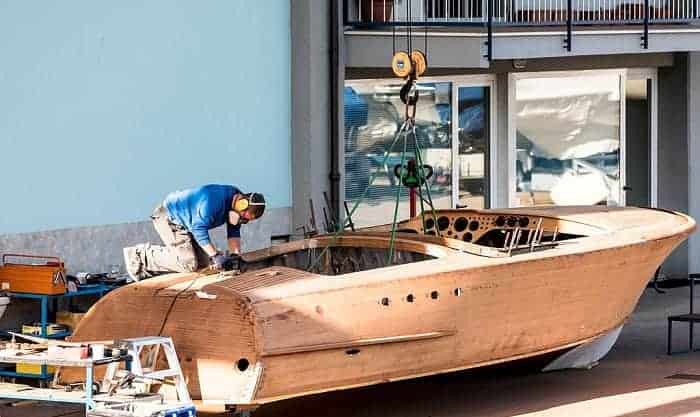
Beyond the Plans: Unveiling Hidden Secrets in Wooden Boat Building
How to Build a Wooden Boat for Performance and Stability is a classic text, a bible for many aspiring boat builders. But what if we looked beyond the established techniques? What hidden gems, rarely discussed, could elevate our craft from good to exceptional? This article delves into those often-overlooked aspects, presenting new perspectives and solutions for hobbyists, professionals, and educators alike.
Beyond the Textbook: Challenging Conventional Wisdom
Q: Isn't following the plans religiously the key to success?
A: While plans provide a solid foundation, blindly adhering to them can limit creativity and potentially hinder performance. Consider this: The plans were likely designed for average conditions. What about *your* specific needs and local environment? Adaptability is key. For example, analyzing local wind patterns might suggest modifying the sail plan (if applicable) for optimal efficiency. Or, understanding the unique characteristics of your timber source could inform choices about hull design for superior strength and weight distribution. Researching modern composite materials could inform smart choices for strengthening critical joints. Recent research in naval architecture (e.g., papers published in the *International Journal of Naval Architecture and Ocean Engineering*) emphasizes computational fluid dynamics (CFD) simulations to optimize hull designs for minimal dragâ€"consider using freely available software to analyze your planned hull, testing various modifications before building. Don’t just build the boat; *design* the boat to its maximum potential within the constraints of the plans.
Q: What about the oft-ignored impact of wood selection?
A: The book might mention wood types, but rarely delves into the nuances of grain orientation, density variations within a single plank, and the impact of subtle moisture content differences on long-term performance. Let's illustrate with a real story: A friend built a beautiful dory, meticulously following plans, only to experience unexpected flexing under load. The root cause? He hadn't meticulously assessed the grain orientation in crucial hull planks. Choosing wood becomes a sophisticated process that goes beyond species â€" you need to understand the 'personality' of each individual piece.
Innovative Techniques & Materials: Pushing Boundaries
Exploring Epoxy's Potential:
Traditional methods emphasize mechanical fastenings. However, exploring advanced epoxy systems can offer superior bonding strength and water resistance, vital for longevity. Research articles from organizations like the US Forest Service have demonstrated the efficacy of specific epoxy formulations in marine environments. This isn't merely about gluing; it’s about strategically integrating epoxy to reinforce critical structural elements, potentially reducing the need for certain traditional joinery techniques. This can lead to lighter, stronger, and more durable boats.
Harnessing Modern Tools:
While the romance of hand-tool boatbuilding remains, incorporating CNC routing or laser cutting for precise parts can significantly reduce time and improve accuracy. This allows for more complex designs, previously impossible with traditional methods. This isn’t about replacing traditional skills, but supplementing them for greater efficiency and precision.
The Unsung Hero: Understanding Hydrodynamics
The book touches upon stability, but a deeper dive into hydrodynamics can unlock significant performance gains. Consider these points:
- Hull shape optimization: Modern software allows for detailed analysis of hull forms, minimizing drag and maximizing efficiency.
- Keel design considerations: Experimenting (virtually, initially) with different keel profiles can dramatically influence stability and performance.
- Understanding the impact of waterline length: The effective waterline length can change based on load, significantly affecting boat handling. Understanding this dynamic aspect allows for better design decisions.
By addressing these less-discussed aspects of wooden boat building, you can move beyond simple construction to crafting truly exceptional vessels. It’s about integrating knowledge from various fieldsâ€"naval architecture, materials science, woodworkingâ€"to create a boat that exceeds expectations. Let the classic text serve as your foundation, but let your curiosity and innovation be the guiding force pushing you beyond the expected.
0 comments:
Post a Comment
Note: Only a member of this blog may post a comment.